IMG-20261027-WA0017
Blog

Helping Students Learn, Connect and Thrive: SEMBE Equips School Mental Health Clubs

A game can bring students together. A drawing can help a child express a feeling they cannot yet put into words. A group conversation can remind a young person that they are not alone.

These everyday activities can open the door to meaningful conversations about mental health and help make wellbeing part of school life.

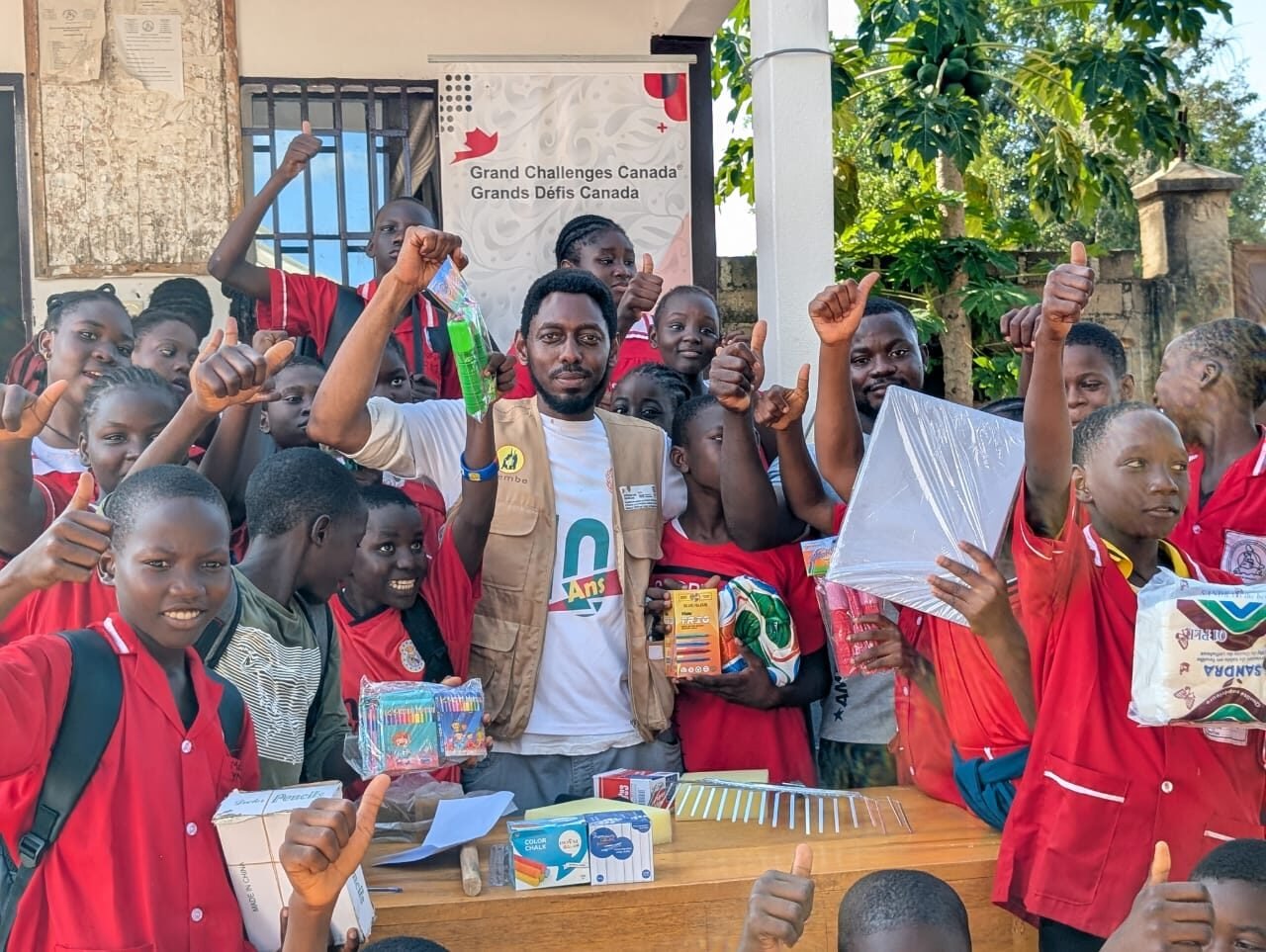
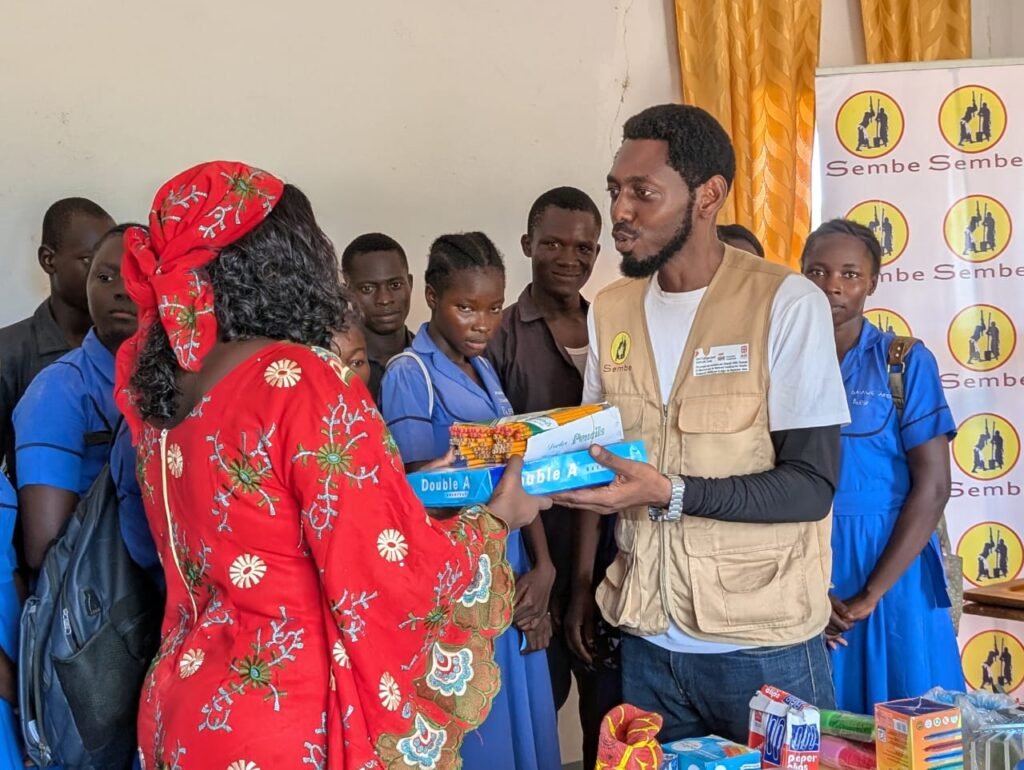
SEMBE recently provided learning and play materials to 14 schools across nine communities in Cameroon’s Far North Region, supporting the establishment and functioning of mental health and wellbeing clubs, alongside school awareness activities.

The schools serve communities affected by conflict and displacement, where students may arrive in class carrying worries that affect their concentration, friendships and participation. Creating opportunities to talk, connect and find support is an important part of helping them learn and grow.

Learning to care for themselves and one another

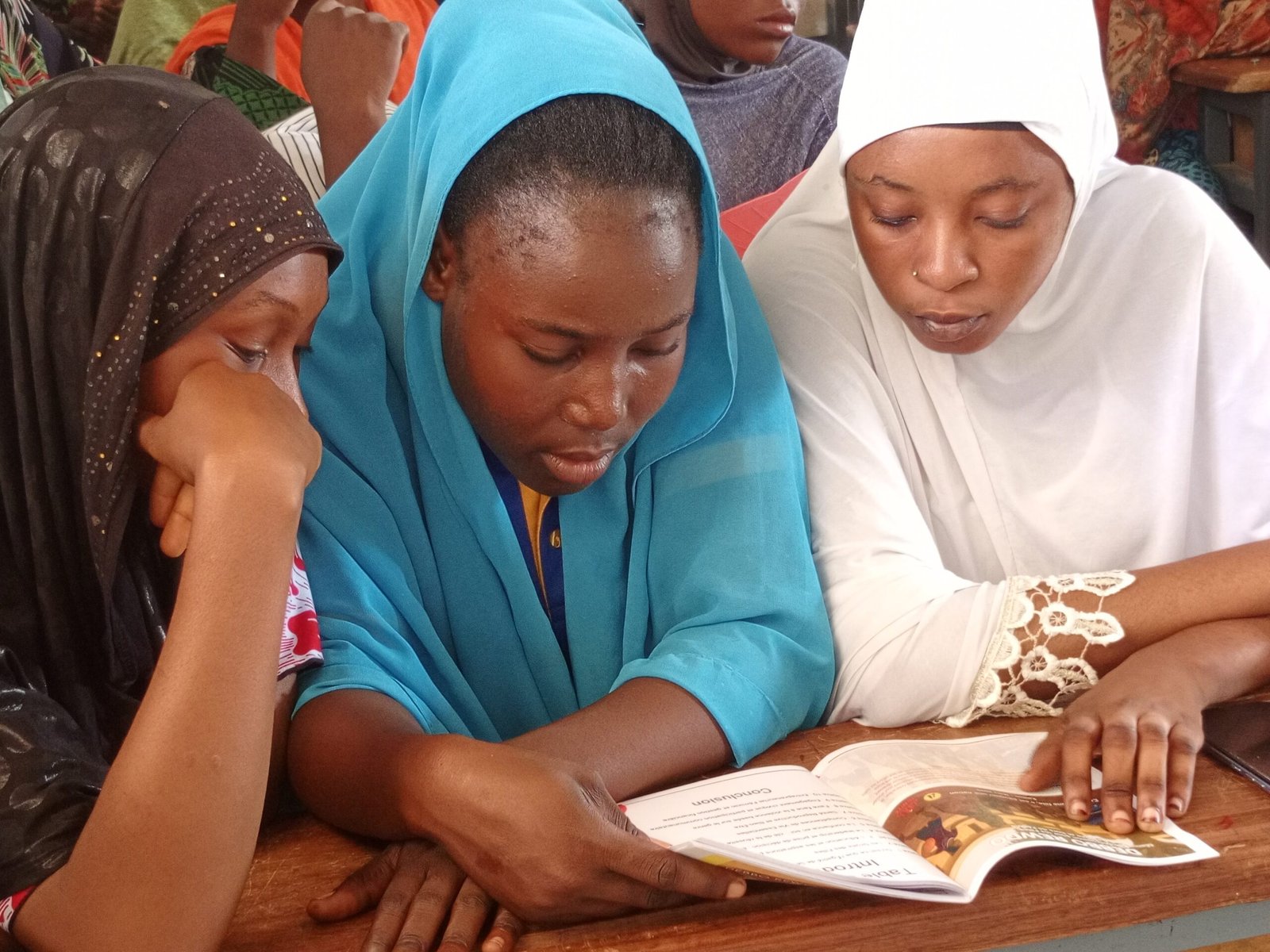
The materials will help trained teachers lead participatory club sessions through games, drawing, discussion and other creative activities. These sessions give students opportunities to understand their emotions, practise ways of coping with difficult moments and build supportive relationships.

The clubs also offer a space to explore everyday questions: What helps when I feel overwhelmed? How can I support a friend who seems withdrawn? Who can I turn to when I need help?

By making these conversations familiar, schools can help students feel more comfortable expressing their needs and seeking support from a trusted adult.
Keeping the conversation going

Introducing mental health in schools takes more than a single awareness session. Regular club meetings, supported by wider school awareness activities, can help build a culture of empathy, inclusion and mutual care.

This investment in materials builds on SEMBE’s recent training of 19 teachers from the 14 schools. Together, the training and resources will help teachers turn learning into practical activities that engage students and encourage participation.

The clubs form part of SEMBE’s wider approach to providing basic psychosocial support and connecting young people with additional services when needed.

Supporting Women and Girls to Earn, Learn and Shape Their Futures
Blog

Supporting Women and Girls to Earn, Learn and Shape Their Futures

For a woman supporting her household through crisis, the means to grow food or start a small business can open new possibilities. It can help her meet everyday needs, plan ahead and have greater control over decisions affecting her family.

At SEMBE, this is why livelihood support is an important part of our work with women and girls affected by conflict and displacement in Cameroon’s Far North Region.

Turning resources into opportunities

In Makary and Biamo, SEMBE has supported 10 women-led agricultural cooperatives with farming equipment and seeds, helping members strengthen food production and develop income-generating activities. We have also provided business start-up kits to more than 40 women heads of households and girls, supporting their efforts to earn and provide for themselves and their families.

Through the SEMBE Pap project, livelihood activities complemented support for nutrition. Women participated in preparing ingredients, grinding and packaging enriched pap, while start-up kits helped recipients establish small businesses selling locally available food ingredients. This approach connected opportunities to earn with access to nutritious food.

“I wanted to start a small business, but I did not have the materials I needed. The start-up kit helped me take that first step. Being able to earn and contribute to my family’s needs means a lot to me.” – said a beneficiary. 

Building confidence and choice

Economic opportunity also connects with education, knowledge and confidence. Through Sahel Girl Power 237, SEMBE has supported girls with scholarships and school materials, alongside clubs and peer groups where they learn about their rights, develop leadership skills and participate in decisions affecting their lives. The project’s Debbo Rewdo Girls’ Manual, co-created with adolescent girls, also includes financial skills.

One 14-year-old club member shared:

“For the first time, I understood that I have rights as a girl. Now I want to finish school and become a teacher.”

Through the Sahel Girl Project, 60 vulnerable girls in primary and secondary schools received scholarships while 260 others received didactic materials. Over 2500 girls also took part in ‘Girls’ Clubs’ activities across six targeted schools. 

Together, these initiatives reflect SEMBE’s belief that women and girls need both practical resources and opportunities to develop their abilities. Supporting livelihoods can help families meet immediate needs, while education and skills create foundations for greater independence.

Supporting Women and Girls to Earn, Learn and Shape Their Futures
Photo 5- A cross section of our Community lay counsellors
Blog

 Bringing Mental Health Support Closer to Young People in Cameroon’s Far North

When young people face conflict, displacement and uncertainty, knowing that someone nearby is ready to listen can help them take the first step towards seeking support.

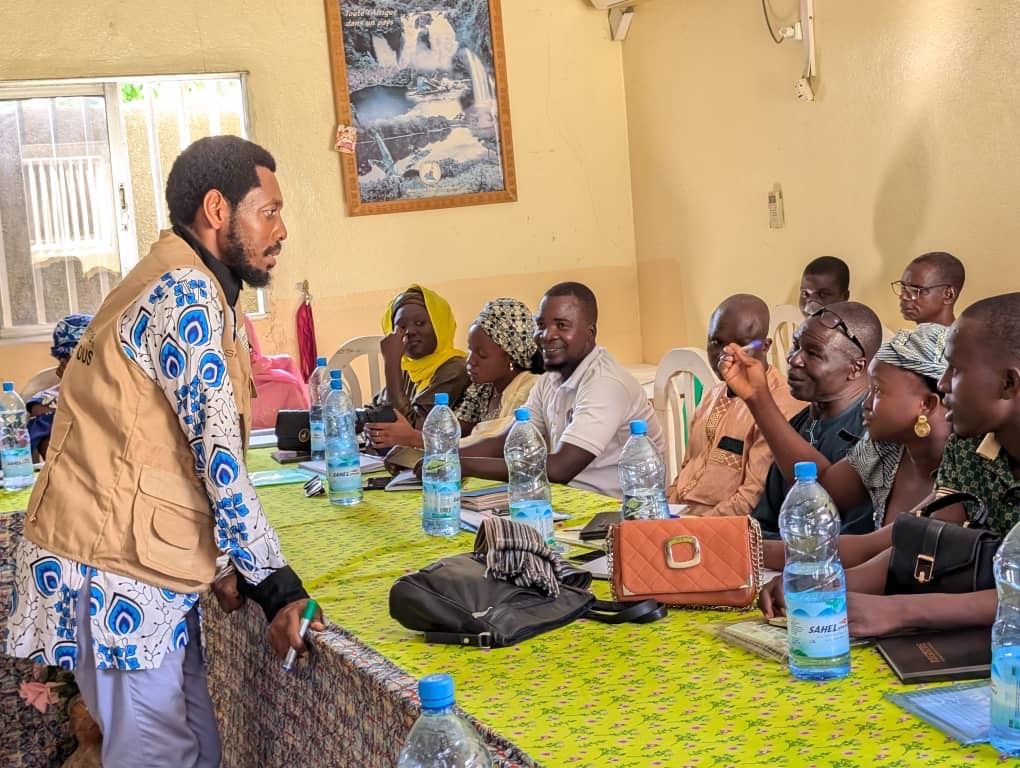
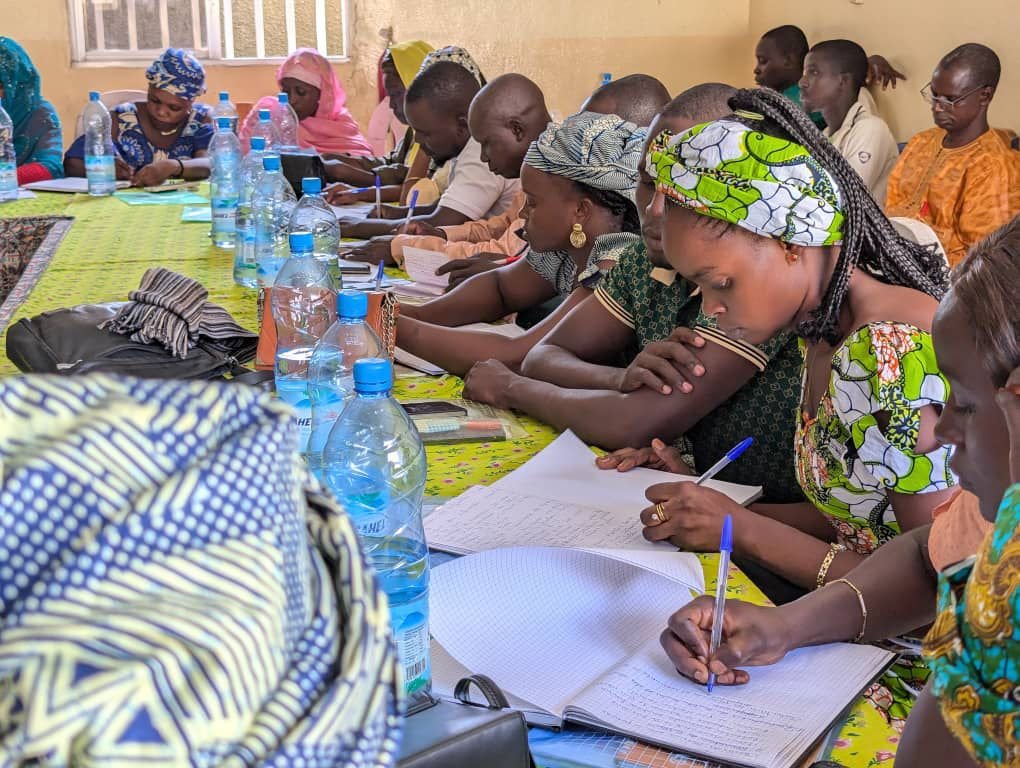
In July 2026, Association SEMBE organised a four-day training for 45 volunteer community lay counsellors, strengthening local capacity to support young people experiencing psychological distress.

Photo 5- A cross section of our Community lay counsellors

The participants, women and men, including several young people with lived experience of mental health challenges came from nine communities in Cameroon’s Far North Region, including  Makoulahe, Kolofata, Kourgui, Mabass, Ouro-Kessoum, Koza, Meskine, Pitoare and Salak.

Practical skills rooted in care

The training strengthened participants’ knowledge of mental health and psychosocial support, with a particular focus on Psychological First Aid and trauma-informed approaches. These approaches emphasise listening with empathy, respecting people’s experiences and responding to distress without judgement or pressure.

For community counsellors, this means offering basic support while recognising when a young person needs additional help.

“Sometimes, a young person needs someone who will listen patiently. I want to help them feel comfortable speaking about what they are going through.”- a ârticipant said. 

The involvement of young people with lived experience also brought an important perspective to the training, creating opportunities to draw on their understanding of seeking support and navigating mental health challenges.

Building support within communities

Community lay counsellors help bring basic mental health support closer to where young people live. Their presence can make it easier to open conversations, challenge stigma and encourage people to seek help.

 “I want young people in my community to know that they do not have to face their difficulties alone, and that asking for help is nothing to be ashamed of.” – another participant said. 

The training forms part of SEMBE’s Youth Mental Health Project, which aims to improve the wellbeing of young people affected by conflict, forced displacement and other forms of vulnerability.

Since 2021, Sembe has trained some 150 community lay counselors, enabling the provision of lay counseling services to about 10,000 young people aged 10-24. 

Family Picture of trained teachers
Blog

Supporting Young Minds: SEMBE Equips Teachers to Promote Mental Health in Schools 

A student’s behaviour does not always tell the whole story. Behind withdrawal, difficulty concentrating or a sudden outburst may be worries that a child struggles to express. Knowing how to notice, listen and respond can help teachers offer the support that students need.

From 12–15 October 2026, SEMBE brought together 19 teachers from 14 primary and secondary schools in the communities of Makoulahe, Kolofata, Kourgui, Ouro-Kessoum, Maxi-Mabass, Koza, Pitoare, Salak and Meskine, for training on mental health promotion in schools. 

Family Picture of trained teachers

The training which took place in Maroua involved practical exercises, discussions and role plays, enabling teachers to learn how to recognise signs of distress, listen without judgement, provide basic psychosocial support and connect students with specialised help when needed.

For one participant, the training prompted a change in perspective. She explained that she had previously been quick to condemn inappropriate behaviour. She now recognised the importance of understanding its causes and considering how to help the child.

The lessons also reached beyond her professional role:

“What is also important about this training is that it is not limited to school. It will also help us in our own lives and in our families.” – She said 

Another teacher described the challenges of working amid insecurity, where adults and children alike experience fear and anxiety. He emphasised the importance of working with school leadership and colleagues to introduce more supportive approaches.

“I will do my best to put into practice some of the concepts we have learned here.” he said. 

A third participant reflected on the need to consider students’ emotional experiences throughout everyday teaching:

 “We need to take into account that some children have experienced trauma, and this should be reflected in the lesson.” she said. 

These commitments will take shape through mental health and wellbeing clubs, where students can talk, play, create and connect while learning to care for themselves and support one another. Regular school awareness activities will help reduce stigma and encourage students to seek help.

To support these activities, SEMBE has provided **learning and play materials to 14 schools across nine communities**, giving teachers practical resources to make club sessions engaging and participatory.

Since 2021 Sembe has trained some 51 teachers on Mental health promotion in the school milieu, with over 5000 students benefitting from school mental health club activities. 

Screenshot
Family picture with lay counsellors in Salak
Blog

Strengthening Community Spaces to enhance Young People’s Wellbeing 

Having someone to talk to matters. Having a welcoming place nearby where that conversation can happen matters too especially for young people living with conflict, displacement and daily hardship.

SEMBE recently equipped community wellbeing centres across its nine target communities in Cameroon’s Far North Region with chairs, tables, storage cabinets and learning materials. These resources support trained community lay counsellors in welcoming young people and providing basic mental health and psychosocial support.

The centres serve Makoulahe, Kolofata, Kourgui, Mabass, Ouro-Kessoum, Koza, Meskine, Pitoare and Salak.

Giving community counsellors the resources to help

Training equips lay counsellors with skills to listen and respond with care. A suitable space and basic materials help them put those skills into practice. These resources help make the centres welcoming places where young people can express themselves, receive support and take part in activities that strengthen their wellbeing.

Bringing support closer to home

In communities affected by conflict, young people may be coping with fear, loss, disrupted education or separation from familiar support networks. Distance and uncertainty about where to seek help can make those difficulties harder to manage.

Community wellbeing centres provide a local point of contact. Trained lay counsellors offer a listening ear and basic psychosocial support, while helping identify young people who need additional care and connecting them with appropriate services.

The centres also create opportunities to build understanding of mental health within the wider community, encouraging families and community members to support young people without judgement.

This investment builds on SEMBE’s training of 45 volunteer community lay counsellors and forms part of its Youth Mental Health Project. By strengthening both people’s skills and the spaces where they work, SEMBE is helping make support more accessible in everyday community life.