Helping Students Learn, Connect and Thrive: SEMBE Equips School Mental Health Clubs
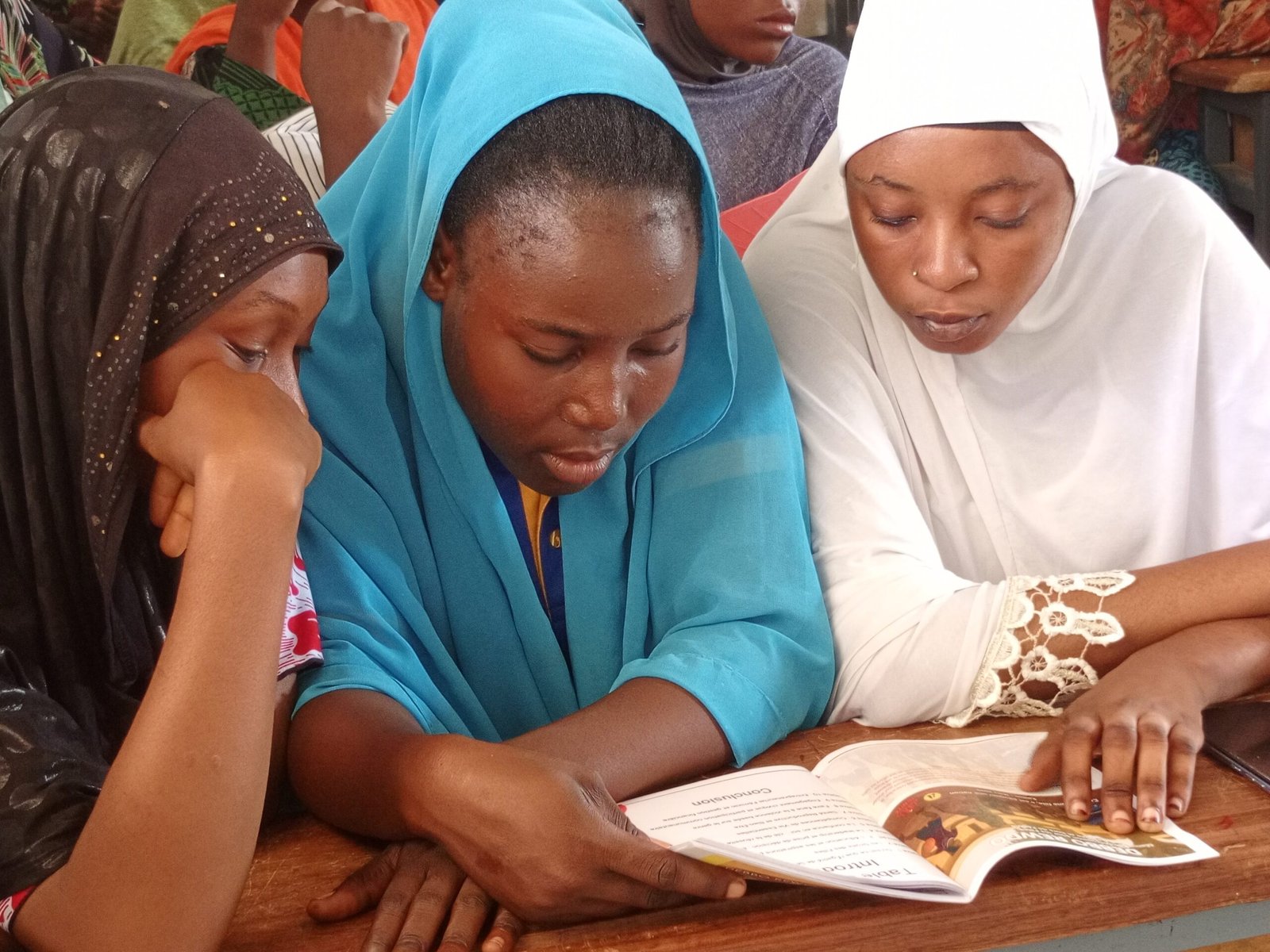
A game can bring students together. A drawing can help a child express a feeling they cannot yet put into words. A group conversation can remind a young person that they are not alone.
These everyday activities can open the door to meaningful conversations about mental health and help make wellbeing part of school life.

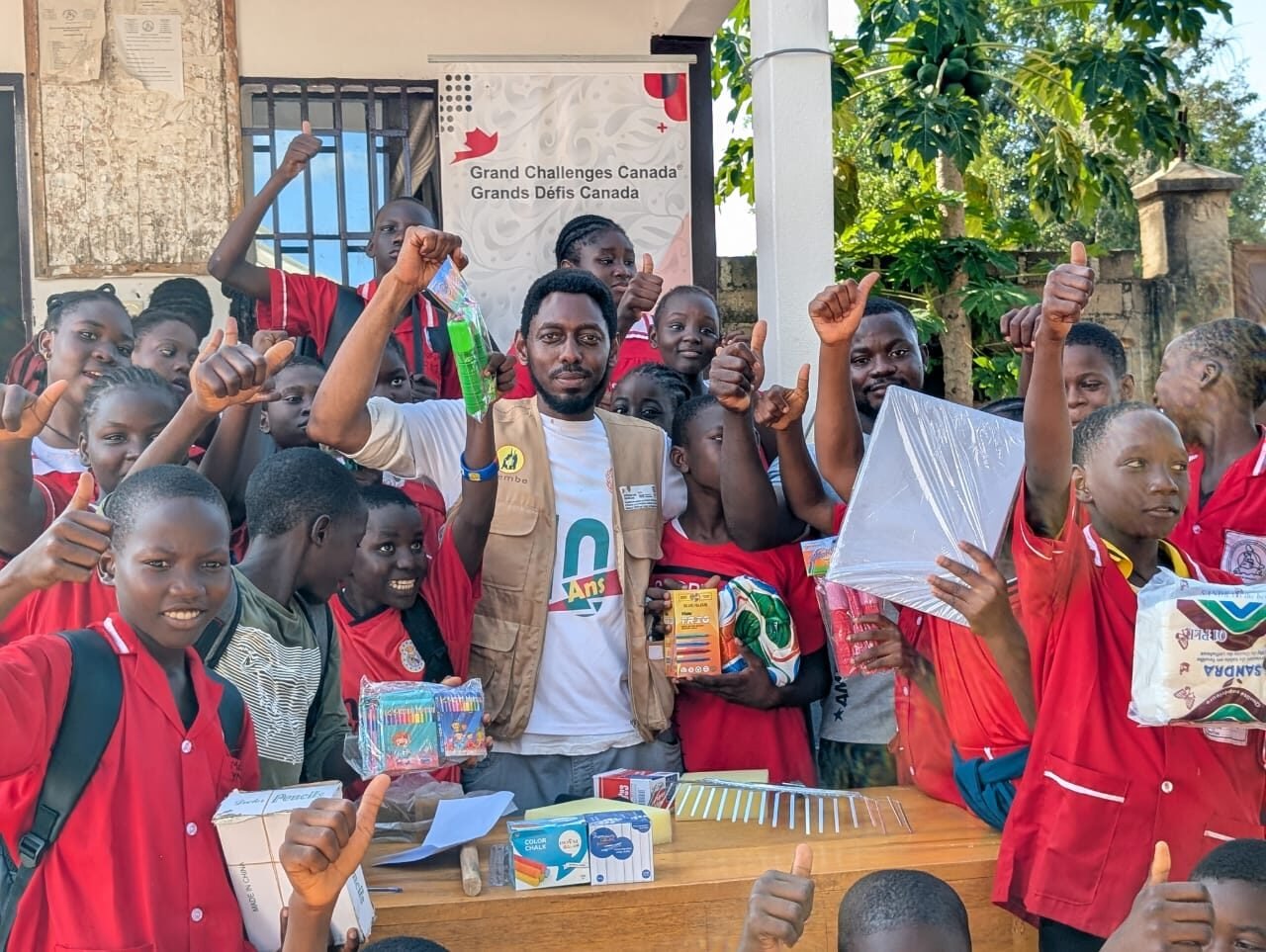
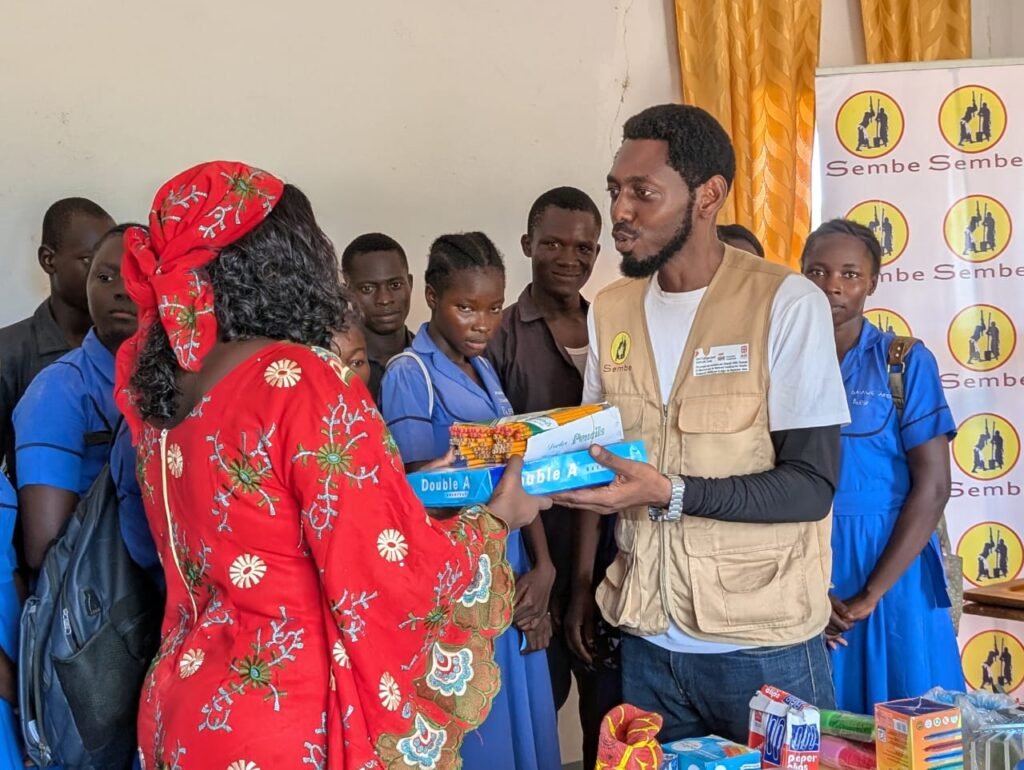
SEMBE recently provided learning and play materials to 14 schools across nine communities in Cameroon’s Far North Region, supporting the establishment and functioning of mental health and wellbeing clubs, alongside school awareness activities.
The schools serve communities affected by conflict and displacement, where students may arrive in class carrying worries that affect their concentration, friendships and participation. Creating opportunities to talk, connect and find support is an important part of helping them learn and grow.

Learning to care for themselves and one another
The materials will help trained teachers lead participatory club sessions through games, drawing, discussion and other creative activities. These sessions give students opportunities to understand their emotions, practise ways of coping with difficult moments and build supportive relationships.
The clubs also offer a space to explore everyday questions: What helps when I feel overwhelmed? How can I support a friend who seems withdrawn? Who can I turn to when I need help?
By making these conversations familiar, schools can help students feel more comfortable expressing their needs and seeking support from a trusted adult.
Keeping the conversation going
Introducing mental health in schools takes more than a single awareness session. Regular club meetings, supported by wider school awareness activities, can help build a culture of empathy, inclusion and mutual care.
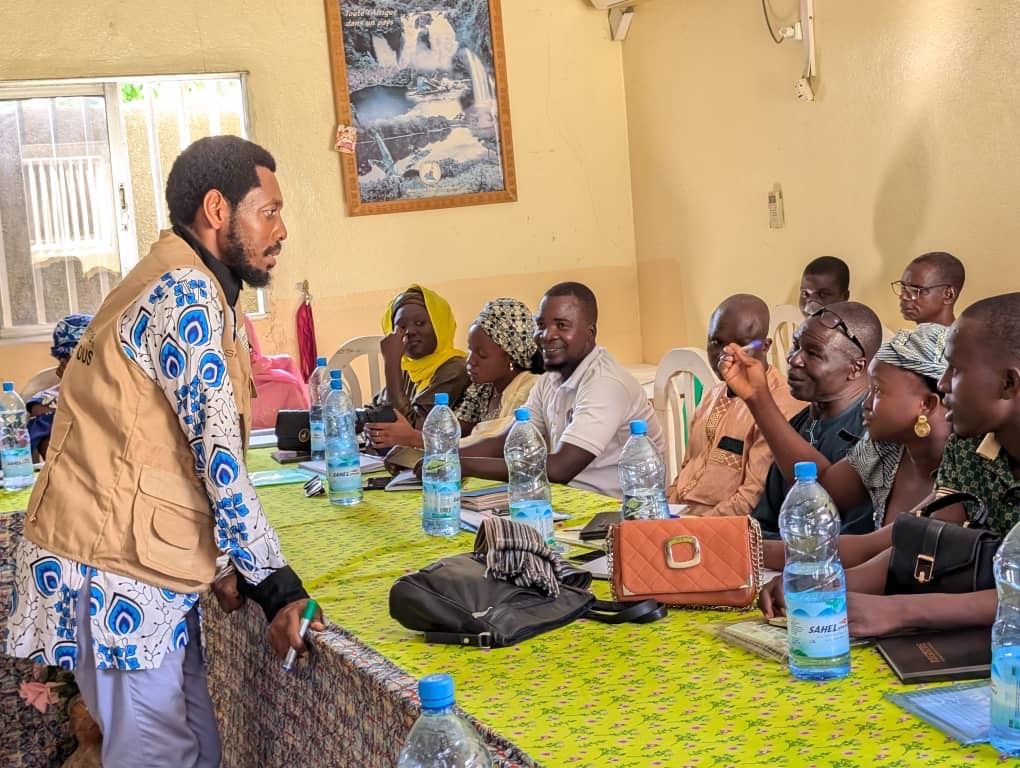
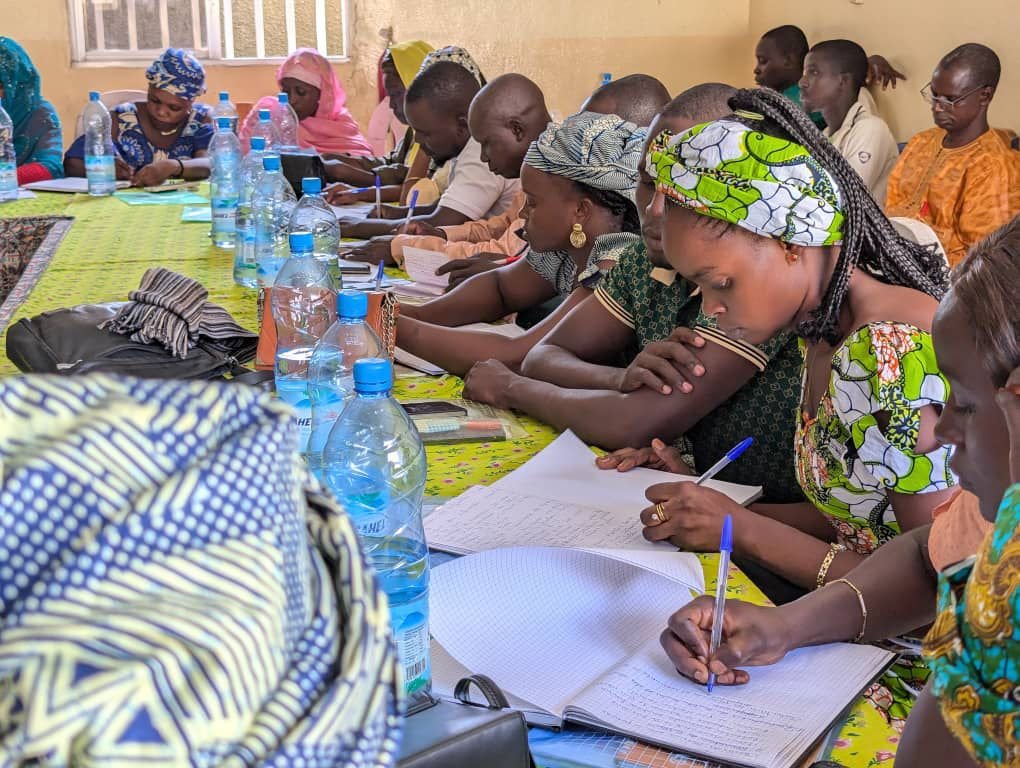
This investment in materials builds on SEMBE’s recent training of 19 teachers from the 14 schools. Together, the training and resources will help teachers turn learning into practical activities that engage students and encourage participation.
The clubs form part of SEMBE’s wider approach to providing basic psychosocial support and connecting young people with additional services when needed.