


Blog
For a woman supporting her household through crisis, the means to grow food or start a small business can open new possibilities. It can help her meet everyday needs, plan ahead and have greater control over decisions affecting her family.
At SEMBE, this is why livelihood support is an important part of our work with women and girls affected by conflict and displacement in Cameroon’s Far North Region.
Turning resources into opportunities
In Makary and Biamo, SEMBE has supported 10 women-led agricultural cooperatives with farming equipment and seeds, helping members strengthen food production and develop income-generating activities. We have also provided business start-up kits to more than 40 women heads of households and girls, supporting their efforts to earn and provide for themselves and their families.

Through the SEMBE Pap project, livelihood activities complemented support for nutrition. Women participated in preparing ingredients, grinding and packaging enriched pap, while start-up kits helped recipients establish small businesses selling locally available food ingredients. This approach connected opportunities to earn with access to nutritious food.
“I wanted to start a small business, but I did not have the materials I needed. The start-up kit helped me take that first step. Being able to earn and contribute to my family’s needs means a lot to me.” – said a beneficiary.
Building confidence and choice
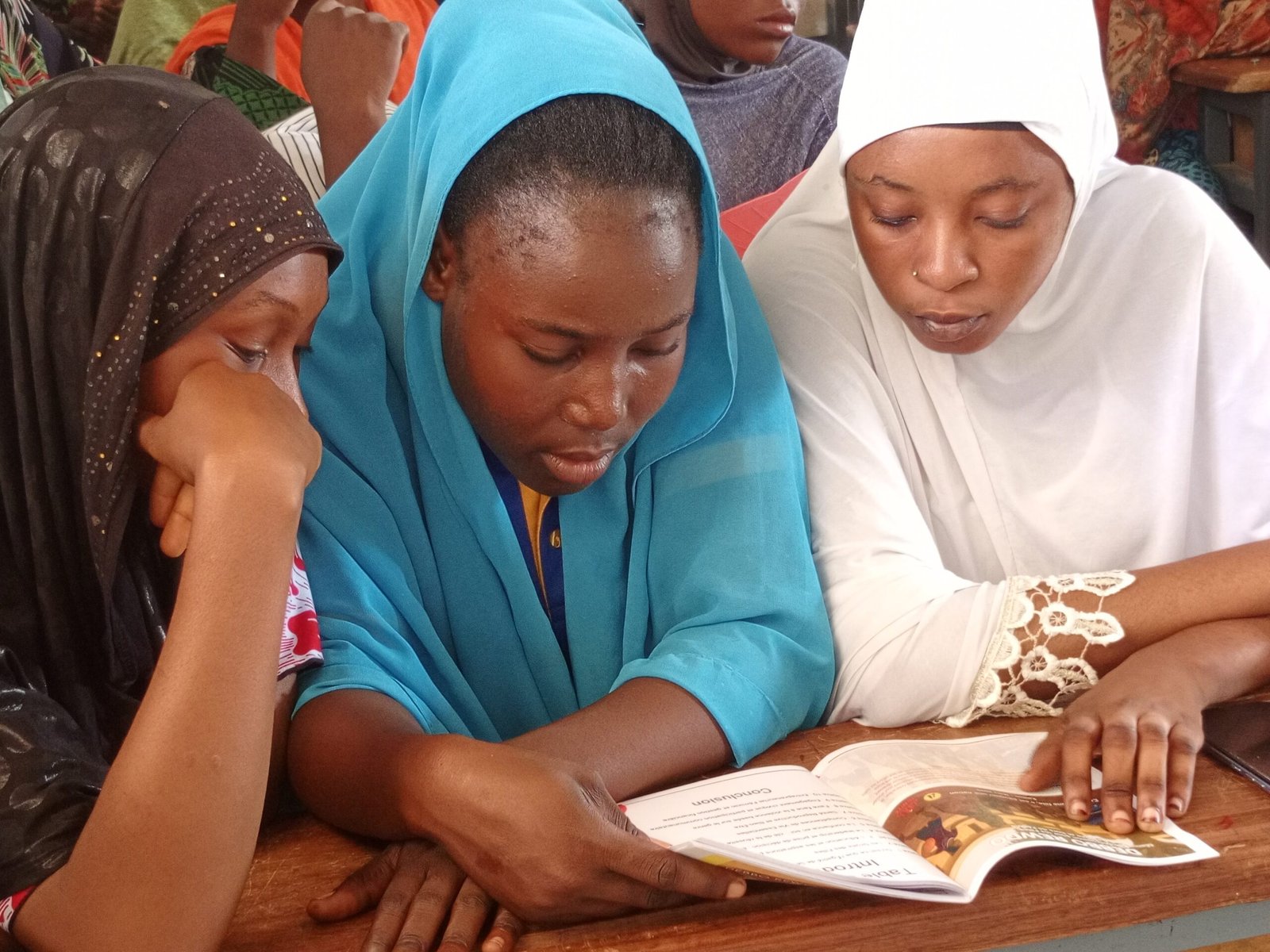
Economic opportunity also connects with education, knowledge and confidence. Through Sahel Girl Power 237, SEMBE has supported girls with scholarships and school materials, alongside clubs and peer groups where they learn about their rights, develop leadership skills and participate in decisions affecting their lives. The project’s Debbo Rewdo Girls’ Manual, co-created with adolescent girls, also includes financial skills.

One 14-year-old club member shared:
“For the first time, I understood that I have rights as a girl. Now I want to finish school and become a teacher.”
Through the Sahel Girl Project, 60 vulnerable girls in primary and secondary schools received scholarships while 260 others received didactic materials. Over 2500 girls also took part in ‘Girls’ Clubs’ activities across six targeted schools.
Together, these initiatives reflect SEMBE’s belief that women and girls need both practical resources and opportunities to develop their abilities. Supporting livelihoods can help families meet immediate needs, while education and skills create foundations for greater independence.


